WeChat: 86-13735815206 / 86-17392256505
Phone: 86-29-88680837
Mail: sales@hlsolidscontrol.com
Add: Room 804, Building 1, Western Cloud Valley Phase II, Fengxi New Town, Xixian New District, Shaanxi Province
Mud Tank System for Sale: Complete Guide to Choosing the Right Drilling Mud Tank System
In modern drilling operations, a reliable mud tank system plays a critical role in maintaining drilling fluid circulation, improving solids control efficiency, and ensuring safe and cost-effective drilling. Whether you are working in oil and gas drilling, HDD (Horizontal Directional Drilling), CBM exploration, geothermal drilling, or mining projects, selecting the right mud tank system can significantly improve operational performance.
If you are searching for a mud tank system for sale, this guide will help you understand what a mud tank system is, how it works, its key components, and how to choose the best solution for your project.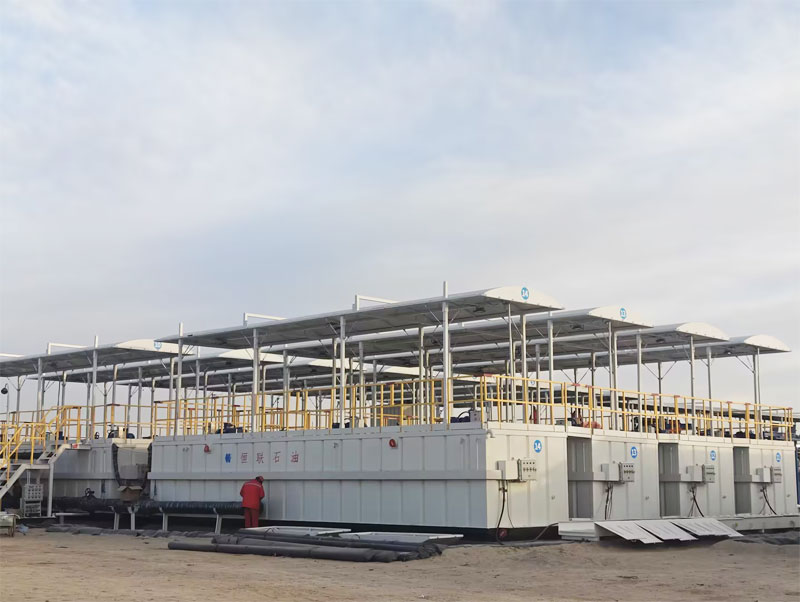
What Is a Mud Tank System?
A mud tank system is a complete drilling fluid storage, mixing, circulation, and treatment system used in drilling operations. It consists of multiple interconnected tanks and solids control equipment designed to manage drilling mud efficiently throughout the drilling process.
The primary functions of a mud tank system include:
- Storing drilling fluids
- Mixing and conditioning drilling mud
- Removing drilled solids
- Maintaining mud properties
- Supporting continuous mud circulation
- Reducing waste disposal costs
Modern mud tank systems serve as the foundation of drilling fluid management and are widely used in onshore and offshore drilling projects.
Main Components of a Mud Tank System
A complete mud tank system typically includes the following equipment:
Mud Tanks
Mud tanks provide storage and circulation capacity for drilling fluids.
Common tank types include:
- Active mud tanks
- Suction tanks
- Mixing tanks
- Reserve tanks
- Trip tanks
- Water tanks
The tank volume can be customized according to drilling depth and project requirements.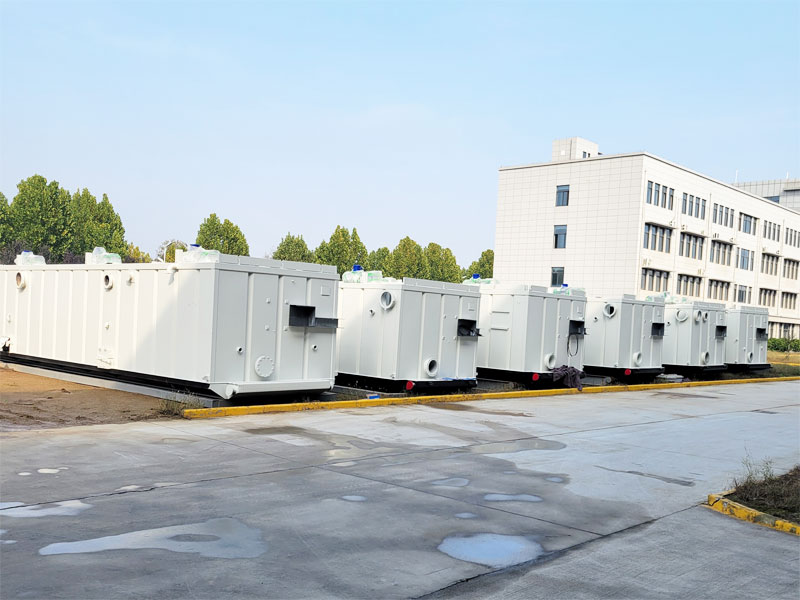
Shale Shaker
The shale shaker is the first-stage solids control equipment.
Functions:
- Removes large drill cuttings
- Protects downstream equipment
- Reduces mud dilution requirements
- Improves drilling efficiency
It is often considered the most important component in the entire solids control system.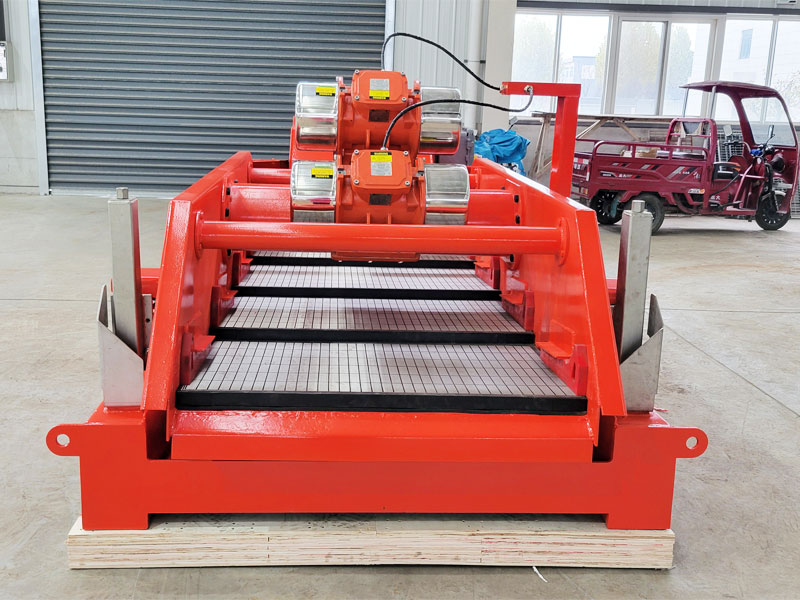
Desander
The desander removes abrasive particles ranging from approximately 40 to 100 microns.
Benefits include:
- Reduced equipment wear
- Improved mud quality
- Longer pump life
- Lower maintenance costs
Desilter
The desilter removes finer particles ranging from approximately 15 to 45 microns.
Advantages:
- Better solids control performance
- Enhanced drilling fluid properties
- Reduced drilling problems
Vacuum Degasser
A vacuum degasser removes entrained gas from drilling mud.
Benefits:
- Restores mud density
- Improves pump performance
- Enhances well control safety
This equipment is particularly important in gas-bearing formations.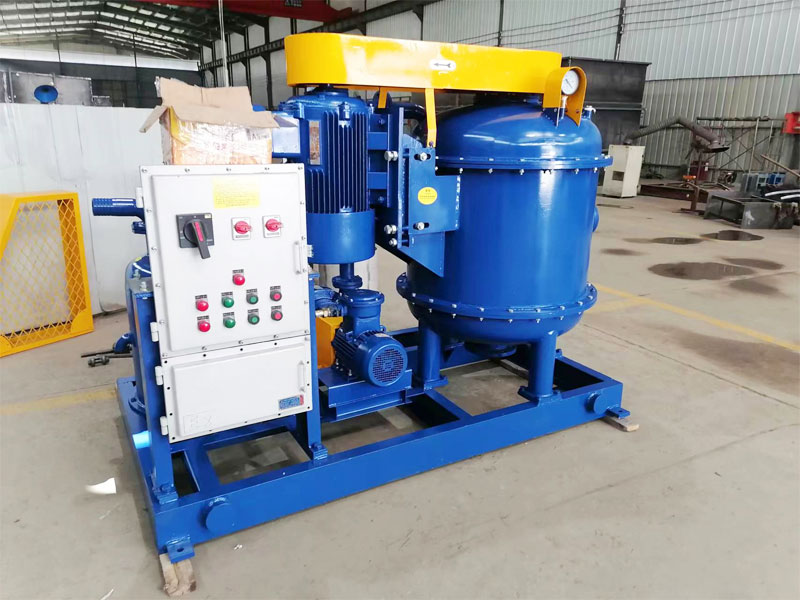
Mud Agitators
Mud agitators keep solids suspended within the tank.
Functions include:
- Preventing sediment accumulation
- Maintaining mud uniformity
- Improving chemical mixing efficiency
Jet Mud Mixer
A jet mud mixer rapidly mixes drilling fluid additives.
Applications:
- Bentonite mixing
- Polymer preparation
- Weighting material mixing
The system generally consists of a mixing hopper and centrifugal pump.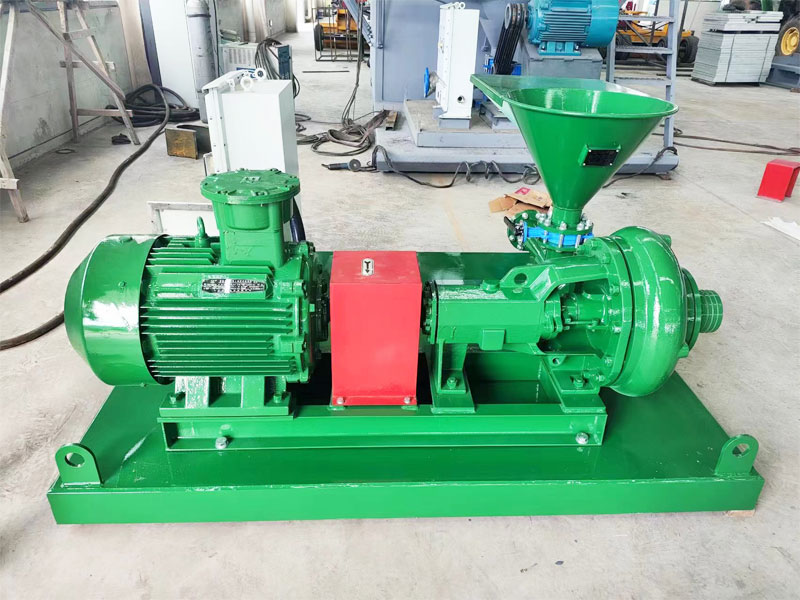
Centrifugal Pumps
Centrifugal pumps transfer drilling fluids throughout the mud system.
Common applications:
- Feeding desanders
- Feeding desilters
- Feeding mud hoppers
- Tank-to-tank transfer
Applications of Mud Tank Systems
Mud tank systems are widely used in various industries.
Oil and Gas Drilling
The most common application is land and offshore drilling operations.
Benefits:
- Efficient solids control
- Reduced drilling fluid costs
- Improved drilling performance
HDD Projects
Horizontal Directional Drilling contractors use mud tank systems for:
- Pipeline installation
- Utility crossings
- Telecommunications projects
The system ensures continuous mud recycling during long-distance drilling.
CBM Drilling
Coal Bed Methane projects require effective drilling fluid management to maintain borehole stability.
Geothermal Drilling
Mud tank systems help manage drilling fluids under high-temperature conditions.
Mining Exploration
Exploration drilling companies use compact mud tank systems to improve drilling efficiency in remote locations.
Advantages of Investing in a Quality Mud Tank System
Improved Solids Control Efficiency
A properly designed system removes harmful solids before they affect drilling performance.
Lower Drilling Fluid Costs
Efficient recycling significantly reduces mud consumption.
Reduced Equipment Wear
Cleaner drilling fluid extends the life of pumps and drilling tools.
Environmental Compliance
Modern systems reduce waste discharge and support environmentally responsible drilling.
Enhanced Operational Safety
Stable drilling fluid properties improve well control and reduce operational risks.
How to Choose the Right Mud Tank System for Sale
Before purchasing a mud tank system, consider the following factors:
Drilling Project Type
Different projects require different system configurations.
Examples:
- Oil drilling rigs
- HDD rigs
- Water well drilling rigs
- Geothermal rigs
Mud Processing Capacity
Select a system based on the required circulation rate.
Common capacities include:
- 200 GPM
- 500 GPM
- 1000 GPM
- 1500 GPM
- 2000 GPM
Tank Volume
Tank capacity should match drilling depth and expected mud volume.
Common sizes:
- 20 m³
- 40 m³
- 60 m³
- 80 m³
- 100 m³ and above
Solids Control Requirements
Choose appropriate equipment based on the desired solids removal performance.
Typical configurations include:
- Shale shaker only
- Shale shaker + desander
- Shale shaker + desander + desilter
- Complete solids control system with centrifuge
Transportation Requirements
Depending on project conditions, mud tanks can be designed as:
- Skid-mounted systems
- Trailer-mounted systems
- Containerized systems
Why Choose HL Petroleum Mud Tank Systems?
As a professional solids control equipment manufacturer, HL provides customized mud tank systems for global drilling contractors.
Features
- API-compliant design
- ISO-certified manufacturing
- High-strength steel construction
- Custom tank capacities
- Integrated solids control equipment
- Easy transportation and installation
- Reliable performance in harsh drilling environments
Available Equipment
- Shale Shakers
- Vacuum Degassers
- Desanders
- Desilters
- Mud Cleaners
- Decanter Centrifuges
- Mud Agitators
- Jet Mud Mixers
- Centrifugal Pumps
- Complete Mud Recycling Systems
Our engineering team can customize a complete mud tank system according to your drilling project requirements.
Conclusion
A high-quality mud tank system is essential for efficient drilling fluid management and successful drilling operations. From mud storage and mixing to solids removal and fluid conditioning, the system directly impacts drilling performance, operating costs, and project safety.If you are looking for a mud tank system for sale, choosing a professionally designed and customized solution will help maximize drilling efficiency while minimizing maintenance and operating costs.
Whether your project involves oil and gas drilling, HDD, geothermal drilling, or mining exploration, HL Petroleum can provide complete mud tank systems tailored to your specific operational requirements.
Contact us today to get a customized mud tank system solution and quotation for your next drilling project.