WeChat: 86-13735815206 / 86-17392256505
Phone: 86-29-88680837
Mail: sales@hlsolidscontrol.com
Add: Room 804, Building 1, Western Cloud Valley Phase II, Fengxi New Town, Xixian New District, Shaanxi Province
What Is a Mud Tank? A Complete Guide for Oil & Gas Drilling Operations
In the oil and gas drilling industry, drilling fluid management is critical to maintaining efficient, safe, and cost-effective drilling operations. One of the most important components of a drilling fluid circulation system is the mud tank.
Many people outside the drilling industry assume that a mud tank simply stores drilling mud. In reality, a mud tank performs multiple functions, including mud storage, mixing, circulation, solids separation, and fluid treatment. Without properly designed mud tanks, a drilling rig cannot maintain continuous drilling operations.
This article explains what a mud tank is, how it works, its main components, types, applications, and how to select the right mud tank for your drilling project.
What Is a Mud Tank?
A mud tank is a steel container used in drilling operations to store, process, mix, and circulate drilling fluid (commonly known as drilling mud). It serves as the central platform of the drilling fluid circulation system and supports the operation of various solids control equipment.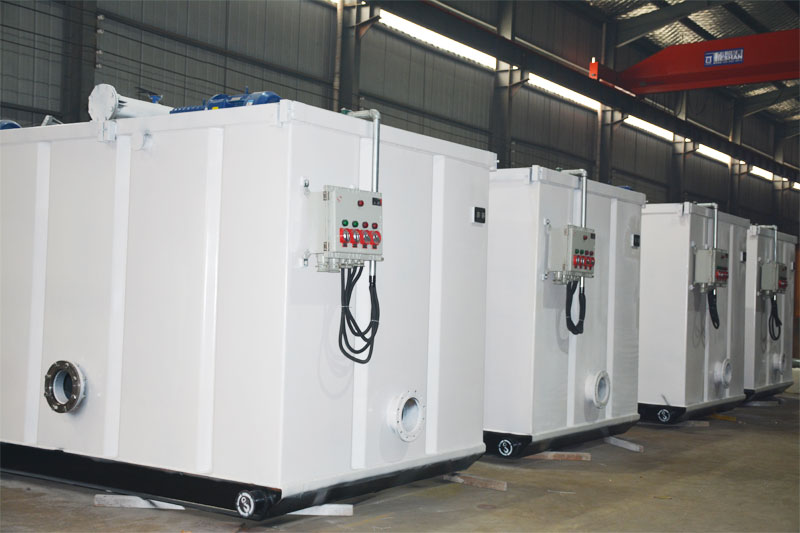
The mud tank receives drilling fluid returning from the wellbore, stores the fluid, and provides a working platform for equipment such as:
- Shale Shakers
- Desanders
- Desilters
- Mud Cleaners
- Decanter Centrifuges
- Mud Agitators
- Mud Guns
- Mixing Hoppers
Mud tanks are widely used in:
- Oil and gas drilling
- HDD (Horizontal Directional Drilling)
- CBM (Coal Bed Methane) drilling
- Geothermal drilling
- Mining exploration
- Water well drilling
Why Is a Mud Tank Important?
The drilling fluid system depends on continuous circulation. A mud tank provides the necessary storage volume and treatment capacity to keep drilling fluid in optimal condition.
Its key functions include:
1. Mud Storage
The tank stores drilling fluid required for drilling operations and reserves additional fluid for emergency situations.
2. Solids Separation
As drilling fluid returns from the well, it contains rock cuttings and solids. The mud tank works with solids control equipment to remove unwanted particles.
3. Mud Mixing
Chemical additives and weighting materials are mixed into the drilling fluid through mixing hoppers and agitators installed on the mud tank.
4. Mud Circulation
The tank acts as a reservoir that allows drilling fluid to circulate continuously between the wellbore and surface equipment.
5. Well Control Support
Maintaining proper mud volume and density helps balance formation pressure and reduce the risk of blowouts.
6. Environmental Protection
Modern mud tank systems help recycle drilling fluid and reduce waste discharge, supporting environmentally responsible drilling operations.
Types of Mud Tanks
Different drilling projects require different mud tank configurations.
Storage Mud Tank
Used primarily for storing drilling fluid before or during drilling operations.
Applications:
- Rig mud reserve
- Fluid transportation
- Temporary storage
Mixing Mud Tank
Designed for preparing and conditioning drilling fluid.
Features:
- Mud agitators
- Jet mud mixer
- Venturi hopper
Settling Tank
Allows larger solids to settle before further processing.
Benefits:
- Reduced equipment load
- Improved fluid quality
Suction Tank
Provides clean drilling fluid to the mud pumps.
Trip Tank
A small tank used to accurately monitor fluid displacement during pipe tripping operations.
Intermediate Tank
Acts as a transition tank between processing stages.
Mud Tank Applications in Oil and Gas Drilling
Onshore Drilling
Mud tanks are widely used in land-based oil and gas drilling rigs.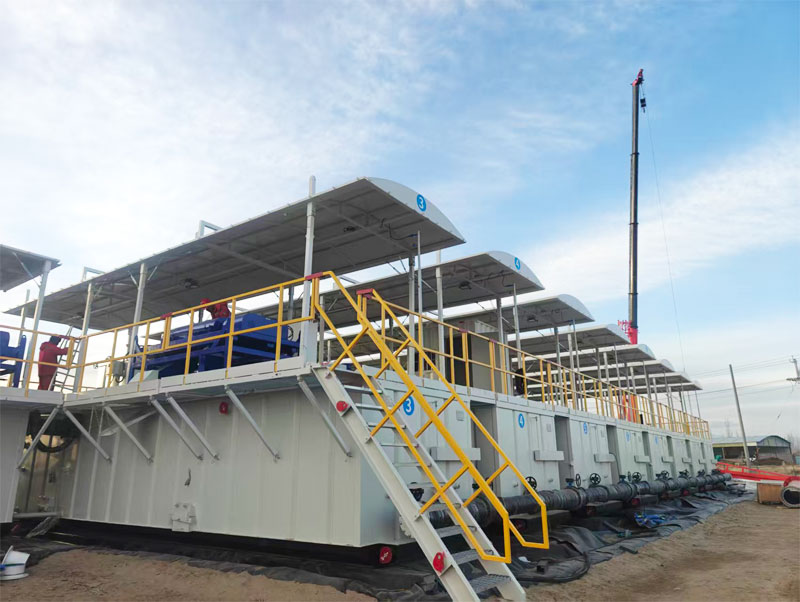
Offshore Platforms
Special corrosion-resistant tanks are designed for offshore environments.
Horizontal Directional Drilling (HDD)
Compact mud tank systems support trenchless pipeline installations.
Geothermal Drilling
High-temperature drilling operations require durable mud circulation systems.
Mining Exploration
Mud tanks support core drilling and mineral exploration activities.
How to Choose the Right Mud Tank
Selecting the correct mud tank depends on several factors.
Drilling Depth
Deeper wells require larger mud volumes.
Rig Size
Higher horsepower rigs need larger circulation systems.
Mud Type
Water-based, oil-based, and synthetic muds have different requirements.
Solids Control Equipment
The tank layout must match the selected solids control equipment.
Transportation Requirements
Modular skid-mounted tanks simplify logistics.
Environmental Regulations
Local regulations may require additional containment and waste management features.
Working with an experienced mud tank manufacturer ensures the system is properly designed for your project.
Conclusion
A mud tank is far more than a simple storage container. It is the foundation of the drilling fluid circulation system and plays a vital role in drilling safety, efficiency, and environmental compliance.
By providing storage, mixing, solids separation, and circulation functions, mud tanks enable drilling operations to maintain optimal drilling fluid performance throughout the entire drilling process.
Whether used in oil and gas drilling, HDD projects, geothermal wells, or mining exploration, a properly designed mud tank system is essential for successful drilling operations.