In oil and gas drilling operations, the shale shaker screen plays a critical role in the solids control system. The performance of the screen directly affects drilling fluid recovery, solids separation efficiency, screen life, and overall drilling costs.
Among the many screen types available in the market, hook strip screens and pyramid screens are two of the most commonly used shale shaker screens. Although both are designed to separate drilling cuttings from drilling fluid, they differ significantly in structure, screen area, performance, and application.
This article explains the key differences between hook strip screens and pyramid screens, including their design, advantages, disadvantages, applications, and how to choose the right screen for your drilling project.
A hook strip screen is a traditional flat shale shaker screen with metal hook strips attached to both sides. These hook strips allow the screen to be tensioned and fixed onto the shaker deck.
Hook strip screens are widely used in conventional shale shakers and have been an industry standard for many years.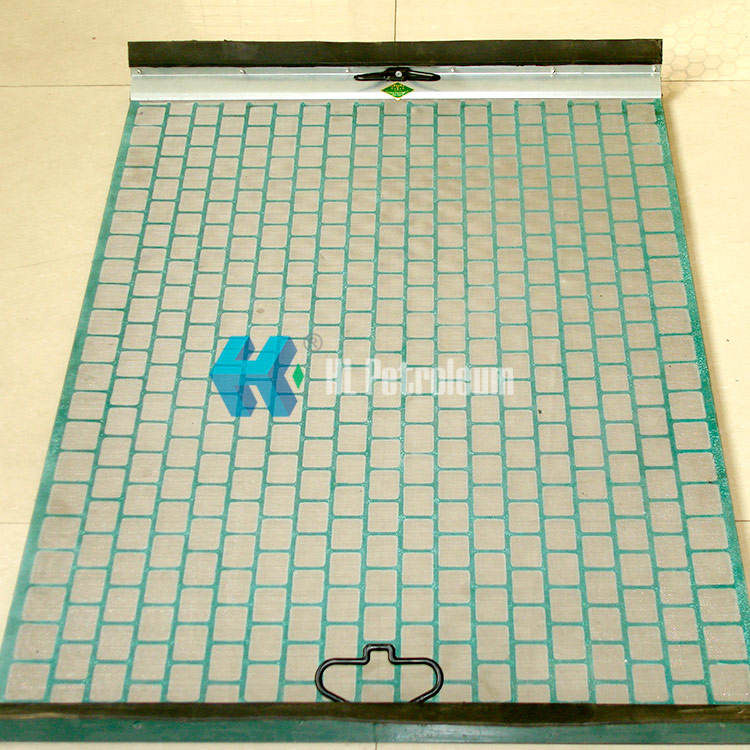
Hook strip screens typically consist of:
The screen is stretched tightly across the shaker deck during installation.
The screen surface is flat, providing stable solids transport and simple operation.
Hook strip screens are generally more economical than advanced screen designs.
They are compatible with many traditional shale shakers and older drilling rigs.
Installation and replacement are relatively straightforward.
Hook strip screens are usually cheaper than pyramid screens, making them attractive for projects with tight budgets.
The tensioning system is simple and familiar to most drilling crews.
The flat surface allows smooth transportation of drilling cuttings across the shaker deck.
They perform well in standard drilling conditions with moderate flow rates.
Despite their simplicity, hook strip screens also have limitations.
Because the screen surface is flat, the effective usable screening area is relatively limited.
This reduces fluid handling capacity.
Compared with pyramid screens, hook strip screens generally process less drilling fluid under the same conditions.
High vibration stress and limited support can lead to faster wear.
Sticky solids may block the screen surface more easily.
A pyramid screen, also called a corrugated screen, features a three-dimensional corrugated surface rather than a flat design.
The raised pyramid or wave-shaped structure significantly increases the usable screen area.
Pyramid screens are commonly used in modern high-performance shale shakers.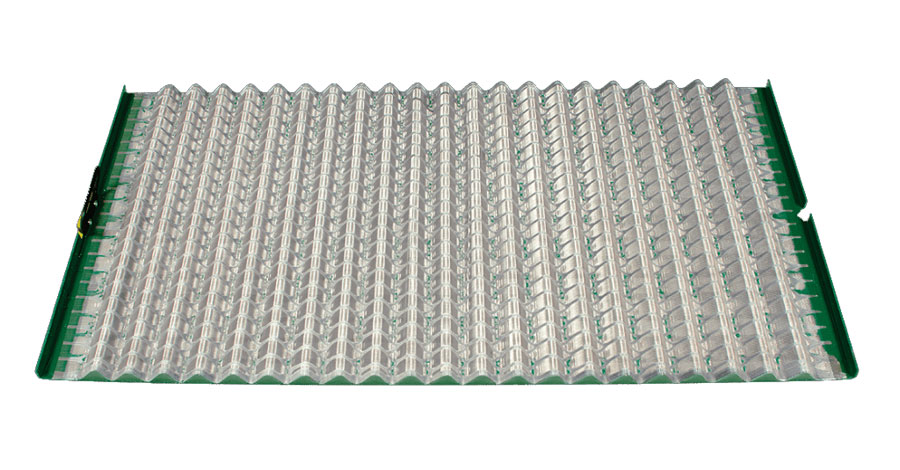
Pyramid screens typically include:
The corrugated design creates additional screening area compared with flat screens.
The corrugated structure increases the non-blanked area by 20%–40% compared with flat hook strip screens.
More screen area allows higher drilling fluid processing capacity.
The additional screen surface improves fine solids separation performance.
Drilling fluid distributes more evenly across the screen surface.
Pyramid screens can handle larger drilling fluid volumes without screen flooding.
This makes them ideal for:
The larger screening area improves solids removal efficiency while maintaining fluid throughput.
Reduced fluid loading per unit area can extend screen service life.
Pyramid screens perform especially well with API fine screens.
Improved separation efficiency helps recover more drilling fluid.
Despite their advantages, pyramid screens also have some drawbacks.
Pyramid screens are more expensive than standard hook strip screens.
Not all shale shakers are designed for pyramid screens.
Advanced bonding and corrugated structures increase production complexity.
In some drilling conditions, solids may accumulate in corrugated areas.
| Feature | Hook Strip Screen | Pyramid Screen |
|---|---|---|
| Screen Surface | Flat | Corrugated/Pyramid |
| Effective Screen Area | Smaller | Larger |
| Fluid Handling Capacity | Moderate | High |
| Fine Solids Separation | Good | Better |
| Screen Life | Moderate | Longer |
| Mud Recovery | Standard | Improved |
| Installation | Simple | Slightly more complex |
| Cost | Lower | Higher |
| Application | Conventional drilling | High-performance drilling |
| Screen Blinding Resistance | Moderate | Better |
The best screen depends on your drilling conditions, budget, and solids control requirements.
You need:
Hook strip screens remain suitable for many conventional drilling projects.
You need:
Pyramid screens are preferred for modern demanding drilling operations.
Both screen types are widely used in:
However, pyramid screens are increasingly becoming the preferred choice for high-capacity solids control systems.
High-viscosity mud may require screens with larger effective area.
Large circulation systems benefit from pyramid screens.
Fine solids removal often favors advanced pyramid designs.
Hook strip screens offer lower initial cost.
Longer-lasting screens may reduce overall operating expenses.
High-quality shaker screens can:
In many drilling projects, screen performance directly affects overall rig operating costs.
The main difference between hook strip screens and pyramid screens lies in their screen structure and effective screening area.
For conventional drilling operations, hook strip screens remain a reliable and economical solution. However, for high-performance drilling systems requiring better fluid handling and improved solids control efficiency, pyramid screens are often the superior choice.
When selecting shale shaker screens, always consider your drilling conditions, fluid properties, flow rate, and overall solids control objectives to achieve the best operational performance.