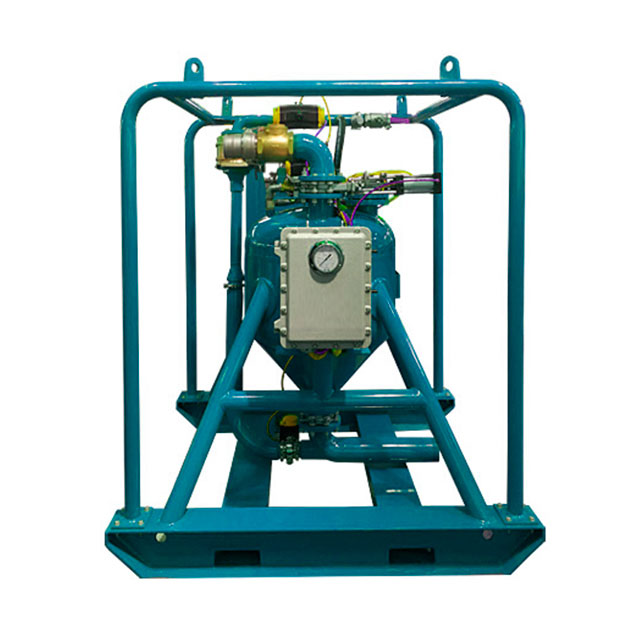
In oil and gas drilling operations, maintaining an efficient drilling fluid circulation system is critical to ensure performance, reduce costs, and prevent operational risks.
One of the most important yet often overlooked components in this system is the mud tank bottom valve. It plays a key role in controlling mud flow, isolating compartments, and improving overall system efficiency.
This article provides a complete overview of mud tank bottom valves, including their functions, structure, advantages, and why they are essential for modern solids control systems.
A mud tank bottom valve (also known as a tank bottom valve or subsea valve in some regions) is installed at the bottom of a mud tank to control the flow of drilling fluids between tanks, compartments, and suction pipelines.
It allows operators to:
Control mud transfer between tanks
Prevent unwanted mixing of fluids
Operate the system externally from the tank top
This improves both safety and operational efficiency in drilling sites.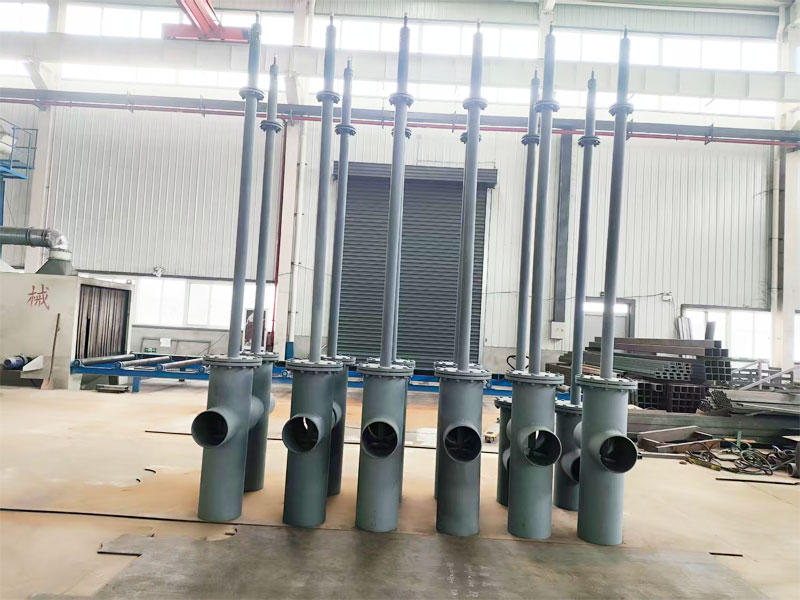
The valve is mounted on the suction pipeline and enables:
Selective suction from specific tanks
Balanced mud distribution
Prevention of cross-flow contamination
Ensures isolation between compartments
Prevents accidental fluid migration
Supports stable drilling fluid properties
Integrates suction manifold with tank structure
Reduces external piping complexity
Enhances mobility for trailer-mounted or skid-mounted systems
Uses a cone-to-cone sealing structure
Achieves near zero leakage
Improves sealing reliability under high pressure
Reduces axial force on sealing rubber by ~20%
Extends service life of key components
Lowers maintenance cost
Operating mechanism located above tank surface
Easy inspection and maintenance
No confined space entry required
Smooth opening/closing mechanism
High resistance to abrasion and corrosion
Suitable for harsh oilfield environments
Mud tank bottom valves are widely used in:
Oil & gas drilling rigs
HDD (Horizontal Directional Drilling)
CBM drilling projects
Drilling waste management systems
They are essential components in:
Solids control systems
Mud mixing systems
Drilling fluid recycling systems
A high-quality mud tank bottom valve can help you:
Improve drilling efficiency
Reduce mud loss and operational cost
Enhance safety and environmental compliance
Minimize downtime and maintenance
For drilling contractors and oilfield service companies, this directly translates into higher profitability and more reliable operations.
The primary function is to control the flow of drilling mud between tanks and pipelines, while preventing unwanted mixing between compartments.
By enabling precise mud transfer and isolation, it helps maintain stable mud properties, which improves the performance of solids control equipment such as shale shakers, desanders, and centrifuges.
Typically, high-strength steel is used for the valve body, while wear-resistant rubber or elastomer materials are used for sealing components to ensure durability and long service life.
Yes. Modern designs allow operation and maintenance from the top of the tank, eliminating the need for confined space entry and reducing maintenance time.
Yes. Most manufacturers offer customization based on:
Tank size
Flow capacity
Connection type
Working conditions
A bottom valve is specifically designed for tank-bottom installation and sealing, while a gate valve is a general pipeline valve. Bottom valves provide better sealing and are optimized for mud tank systems.